Today, like the rest of the agricultural world, the Agen prune sector is facing a multitude of challenges, in terms of production, processing and marketing.
What we do
Agro-ecological transition for the plum farming of tomorrow
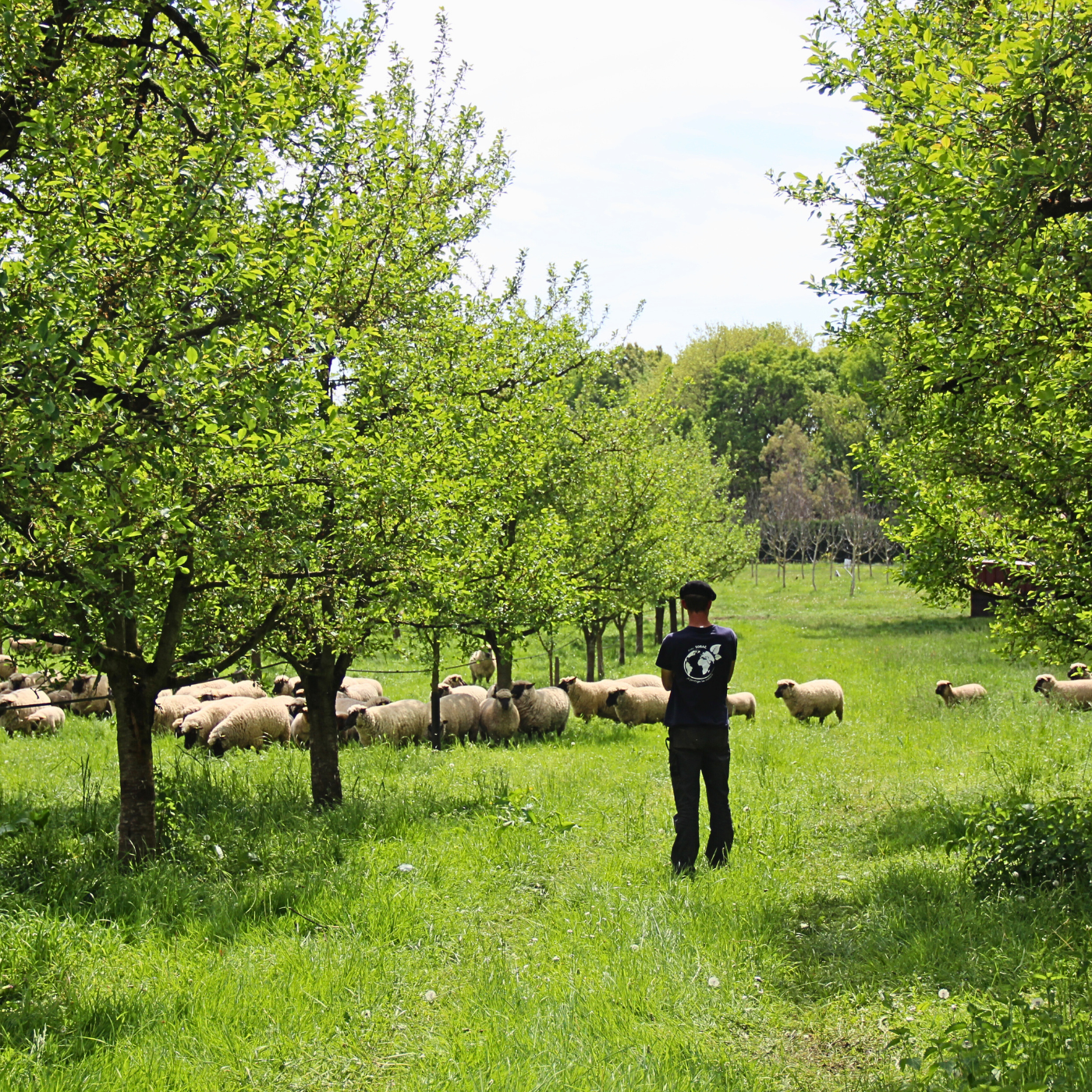
1. What is the agro-ecological transition?
The agro-ecological transition aims to guide the farming and agri-food sectors towards more sustainable, responsible practices that respect biodiversity and the climate.
Agroecology is not a production method, but a set of agricultural practices based on the principles of ecology and agronomy, seeking to respect and draw inspiration from natural ecosystems.
It applies to all forms of production, whether organic or conventional, and aims to strengthen environmental resilience while maintaining or increasing yields and the quality of produce, such as orchards and prunes.

2. Our Terramorph'OSE project, on the road to transition
The Terramorph’Ose project, launched by the France Prune cooperative, aims to strengthen the agro-ecological transition of orchards over the long term.
Following on from the Metamorph’Ose approach, it seeks to amplify existing practices in terms of economic and environmental performance, by facilitating the training of producers and the necessary investments.

3. How can we help?
Through training and technical support
- Training in soil life
Training in soil life is essential, because the soil plays a key role in root development, ensuring that trees have access to water and nutrients, especially in the face of climate change. Understanding soil fertility helps us to make the most of practices such as adding organic matter, plant cover, grassing or decompaction, which promote soil health and resilience.

- Learning about biodiversity
Biodiversity training helps to better integrate auxiliary insects, such as hoverflies and carabid beetles, which naturally regulate pest populations in d’Ente plum orchards. Their preservation is becoming essential in the face of the reduction in the use of synthetic insecticides. This means rethinking the orchard as a whole to encourage their presence throughout the season, by providing them with suitable resources and adopting practices that protect them without affecting yields.

By adapting the layout of the orchard to encourage biodiversity
- Investing in hedgerow planting
Investing in hedgerows around or within orchards strengthens their health and climate resilience. Hedgerows promote biodiversity by acting as ecological corridors for useful species (birds, bats, auxiliary insects), protecting the orchard from strong winds and isolating it from neighbouring plots. They also play a crucial role in the face of climate change, by limiting the risk of frost, controlling the flow of water and creating a favourable microclimate. What’s more, they provide a valuable wood resource (wood chips, RCW, etc.).

- Installing nest boxes
Installing nest boxes in orchards encourages cave-dwelling insectivorous species, such as chickadees and bats, which effectively control pests. These species, which need cavities that are often lacking in orchards, find refuge in nest boxes. Studies show their effectiveness: a pair of chickadees can consume up to 54,000 insects in a single season, and a bat up to 3,000 per night. This practice is based on solid scientific data (INRAE, CTIFL).

By using agroecological inputs
- Sowing cover crops
Sowing plant cover in orchards improves soil structure, encourages water infiltration, attracts natural enemies, limits weeds and enriches the soil with organic matter. It also provides the plum tree with minerals essential to its growth. The choice of cover crops (green manures, flower strips, etc.) and their location (row, inter-row, borders) depend on the objectives being pursued. Training courses help you to optimise their integration by covering the choice of mixtures, their establishment, management and destruction.


